Durood e Hifz e Iman: Remembering Allah and Staying Firm in Faith
Durood e Hifz e Iman: Remembering Allah and Staying Firm in Faith
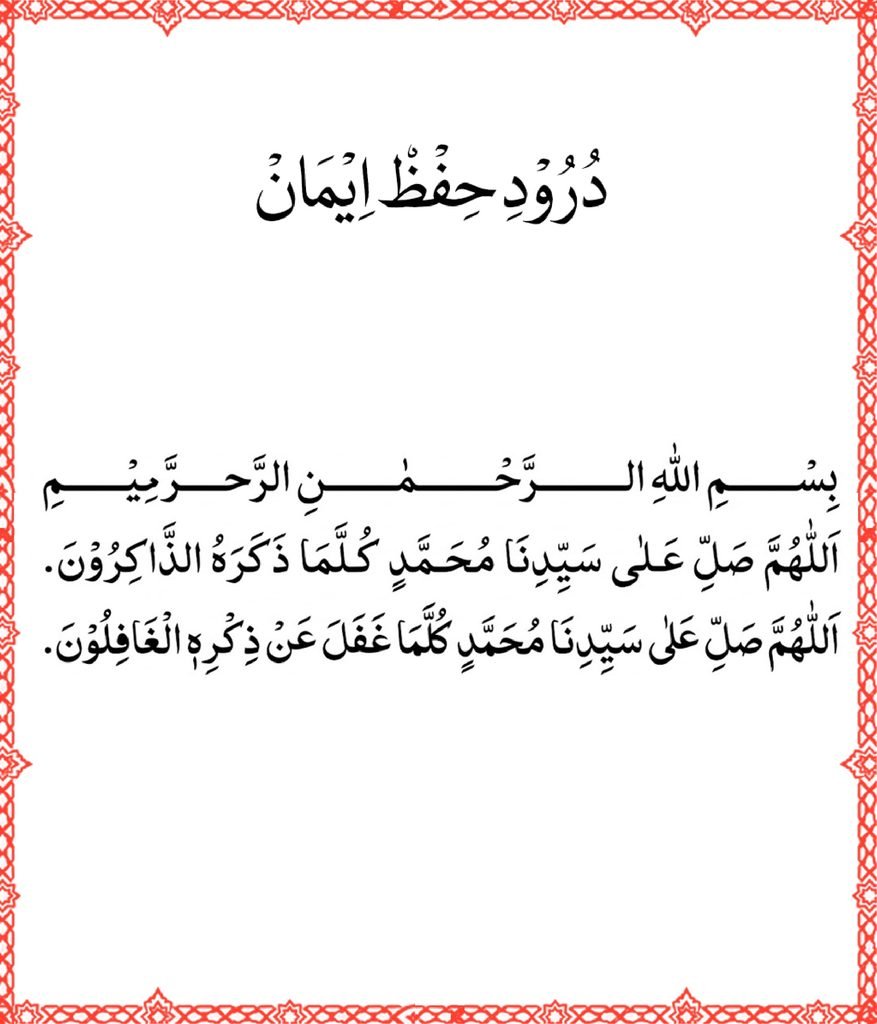
Download Durood e Hifz e Iman .pdf
Faith is one of the most valuable things a Muslim has. It influences how a person thinks, makes decisions, treats others, and faces the difficulties of life. However, maintaining a strong connection with Islam requires regular attention. Daily responsibilities, personal struggles, and changing circumstances can sometimes distract a person from religious practice.
Durood e Hifz e Iman is a name that brings attention to an important subject: the protection and preservation of Iman. It encourages Muslims to reflect on their faith and the importance of sending blessings upon Prophet Muhammad ﷺ.
In this article, we will look at the meaning associated with Durood e Hifz e Iman, its connection with faith, and how Salawat can become part of a regular devotional routine.
What Is Durood e Hifz e Iman?
The expression Hifz e Iman means the protection or preservation of faith. In an Islamic context, it refers to remaining firm in belief and trying to protect one’s relationship with Allah.
Durood is the act of sending blessings upon Prophet Muhammad ﷺ. Muslims recite Salawat as an expression of love, respect, and obedience to the guidance of Allah.
The name Durood e Hifz e Iman connects these two ideas: sending blessings upon the Prophet ﷺ and remembering the importance of keeping one’s faith strong.
It is important to understand that the name of a particular Durood does not, by itself, establish special religious promises. Claims about guaranteed protection or specific spiritual results should be checked against reliable Islamic sources.
Why Is Protecting Iman Important?
Iman is not something a Muslim should take for granted. A believer should continue learning, remembering Allah, and trying to follow Islamic teachings throughout life.
There are several ways a person can give attention to the preservation of faith.
1. Staying Connected With Allah
Regular prayer, dua, and remembrance help a Muslim keep Allah at the centre of daily life. Even when life becomes busy, making time for worship can help maintain a sense of spiritual direction.
2. Following the Teachings of Prophet Muhammad ﷺ
The life and teachings of the Prophet ﷺ provide guidance for Muslims. Learning about his character, kindness, honesty, and patience can help believers apply Islamic values in everyday situations.
3. Avoiding Actions That Weaken Faith
A person should be mindful of their words, choices, and behaviour. Seeking forgiveness after mistakes and making sincere efforts to improve are important parts of a believer’s journey.
4. Continuing to Learn About Islam
Understanding the basics of faith helps Muslims recognise what they believe and why. Reading the Quran, learning authentic Hadith, and asking knowledgeable scholars can make religious understanding stronger.
The Connection Between Durood and a Stronger Faith
Sending blessings upon Prophet Muhammad ﷺ is an important act of worship in Islam. It reminds Muslims of the Messenger who conveyed Allah’s message and showed believers how to live according to divine guidance.
Reciting Durood can also encourage reflection. When a person remembers the Prophet ﷺ, they can think about his teachings and consider whether their own actions reflect the values of Islam.
This makes Salawat more than a repeated phrase in a daily routine. It can become an opportunity to renew one’s intention, remember the Prophet’s example, and improve one’s conduct.
How to Make Durood Part of Your Daily Routine
A regular devotional routine does not have to be complicated. The important thing is to make time for remembrance and understand what is being recited.
You can include Salawat in your day in a simple way:
- Set aside a quiet moment for Durood after your daily prayers.
- Recite with attention rather than rushing through the words.
- Learn the meaning of the Salawat you are reading.
- Make dua and ask Allah to keep you firm upon faith.
- Try to follow the teachings of Prophet Muhammad ﷺ in your daily behaviour.
If you have a particular method for reciting Durood e Hifz e Iman, follow its wording and instructions after checking them with a reliable Islamic source.
Is There a Fixed Recitation Count for Durood e Hifz e Iman?
The name Durood e Hifz e Iman does not establish a fixed number of recitations. A particular count should not be described as compulsory or as a guaranteed way to protect one’s faith unless there is reliable evidence for that recommendation.
Some traditional devotional practices include suggested counts. If you have received a specific number from a book or scholar, it is best to check its source and context.
Rather than focusing only on numbers, give attention to sincerity, consistency, and understanding the words of Durood.
What Else Can Help a Muslim Preserve Iman?
Durood is one part of a wider life of worship. Muslims can also take practical steps to maintain their faith.
Reading the Quran regularly helps a believer stay connected with Allah’s guidance. Performing the five daily prayers, making sincere dua, seeking forgiveness, and keeping good company are also important.
When questions or doubts arise, it is better to seek knowledge from trustworthy scholars instead of relying on unverified claims shared online.
A strong connection with faith develops through continued effort, learning, and reliance upon Allah.
Frequently Asked Questions About Durood e Hifz e Iman
What does Hifz e Iman mean?
Hifz e Iman means the protection or preservation of faith. It refers to remaining firm in belief and making efforts to maintain a strong relationship with Allah.
What is Durood e Hifz e Iman recited for?
Its name is associated with the preservation of faith. Muslims should understand its wording and religious background before attributing specific benefits or promises to it.
Can Durood help me strengthen my connection with Islam?
Sending blessings upon Prophet Muhammad ﷺ is an important act of worship. Reciting Salawat with understanding can encourage remembrance of the Prophet and reflection on his teachings.
Is there a special time to recite Durood e Hifz e Iman?
The name alone does not establish a specific time. Muslims can send blessings upon the Prophet ﷺ regularly, while following any particular timing recommendation only when it has a reliable basis.
How many times should I recite Durood e Hifz e Iman?
There is no fixed count established by the name alone. Check any recommended number with a trustworthy religious source.
What should I do to protect my Iman?
Maintain your prayers, read the Quran, make dua, seek beneficial Islamic knowledge, avoid harmful actions, and try to follow the example of Prophet Muhammad ﷺ.
Conclusion
Durood e Hifz e Iman draws attention to the importance of preserving faith and maintaining a close connection with Allah. Sending blessings upon Prophet Muhammad ﷺ is a meaningful act of worship, while learning and practising Islamic teachings help a believer remain firm in their faith.
Do not treat any particular recitation as a guaranteed substitute for prayer, good actions, or sincere effort. Make Durood part of your remembrance, understand its meaning, and regularly ask Allah to keep your heart firm upon Iman.