Durood e Mustafa: A Short Salawat Expressing Love for the Chosen Prophet ﷺ
Durood e Mustafa: A Short Salawat Expressing Love for the Chosen Prophet ﷺ
Download Durood e Mustafa .pdf
Sending blessings upon Prophet Muhammad ﷺ is a beautiful part of Islamic worship. Muslims recite Durood to express their love and respect for the Messenger of Allah and to remember the guidance he brought to humanity.
Durood e Mustafa is a short and meaningful Salawat that refers to the Prophet ﷺ as Allah’s beloved and chosen Messenger. Its wording is simple, but its message encourages believers to reflect on the special place of Prophet Muhammad ﷺ in Islam.
In this article, you will find the Arabic text of Durood e Mustafa from the supplied image, its transliteration, an English translation, and some useful information about its recitation.
Durood e Mustafa in Arabic
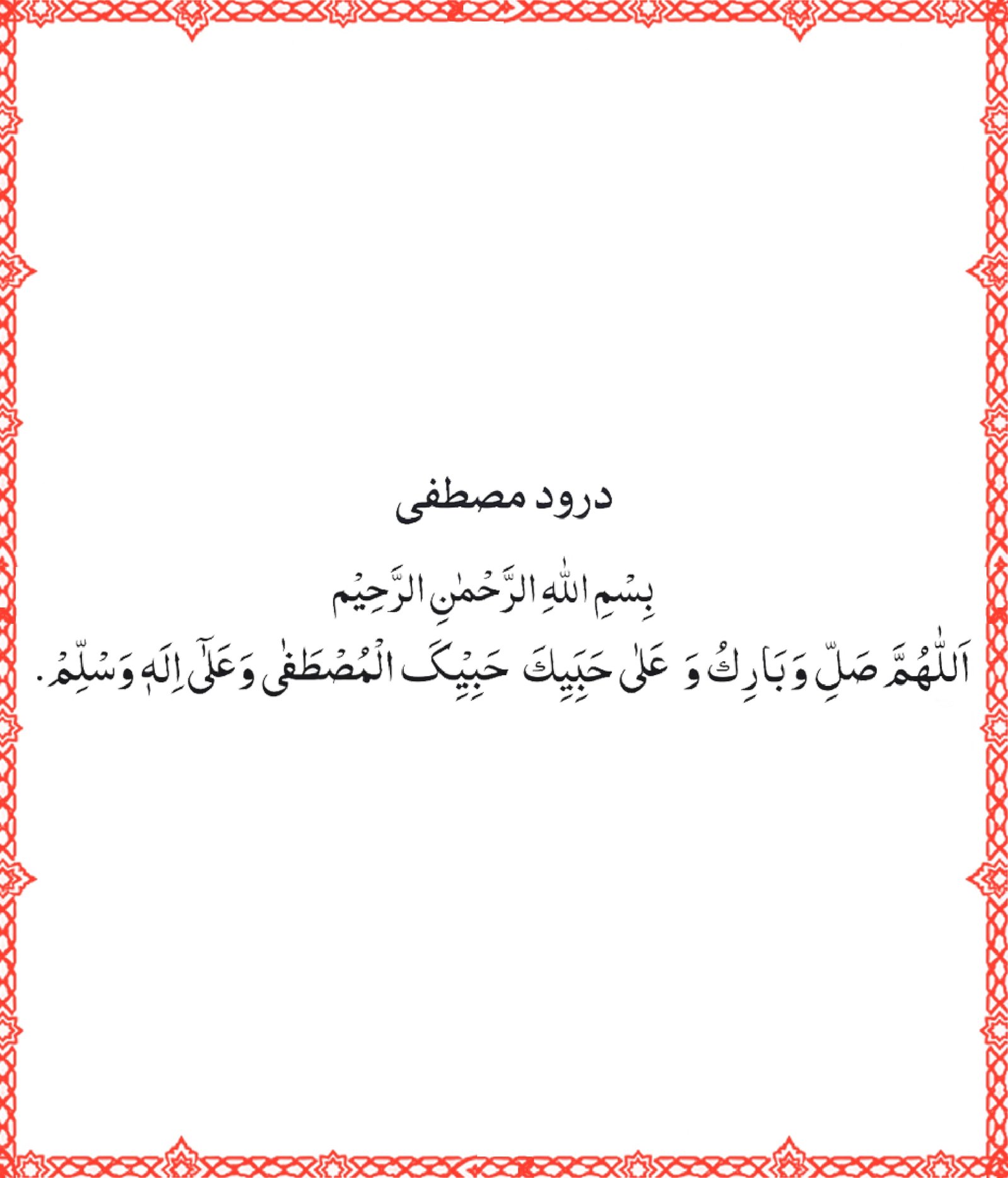
The following is the Arabic wording shown in your supplied PDF:
بِسْمِ اللَّهِ الرَّحْمَٰنِ الرَّحِيمِ
اللَّهُمَّ صَلِّ وَبَارِكْ عَلَى حَبِيبِكَ حَبِيبِكَ الْمُصْطَفَى وَعَلَى آلِهِ وَسَلِّمْ
Durood e Mustafa Transliteration
Bismillahir Rahmanir Raheem.
Allahumma salli wa baarik ‘ala habeebika habeebika al-Mustafa, wa ‘ala aalihi wa sallim.
Read the transliteration as a pronunciation guide. If possible, listen to someone who can recite the Arabic correctly so that you can become familiar with its pronunciation.
English Meaning of Durood e Mustafa
The meaning of this Durood can be expressed in English as:
“O Allah, send blessings and grant blessings upon Your beloved, Your chosen beloved, and upon his family, and grant them peace.”
The wording refers to Prophet Muhammad ﷺ as Al-Mustafa, meaning the chosen one. It also includes a request for blessings upon his family.
What Makes Durood e Mustafa Meaningful?
One distinctive part of this Salawat is its reference to the Prophet ﷺ as Allah’s beloved and chosen Messenger. These words bring attention to the honour and status of the Prophet in the hearts of Muslims.
Rather than being a long passage, Durood e Mustafa uses a brief expression of devotion. Its wording gives the reader an opportunity to pause and reflect on the relationship between sending blessings upon the Prophet ﷺ and remembering his example.
1. It Expresses Love for Prophet Muhammad ﷺ
Muslims love and respect the Prophet ﷺ because he conveyed Allah’s message and guided people towards the path of Islam. Reciting Salawat is one way of expressing that love and respect.
2. It Mentions Al-Mustafa
The word Al-Mustafa means the chosen one. In this Durood, it is used as a reference to Prophet Muhammad ﷺ, reminding readers of his honoured position.
3. It Includes His Family
The wording does not mention the Prophet ﷺ alone. It also asks for blessings upon his family, making this an important part of the supplication.
4. It Encourages Regular Remembrance
Because the wording is short, it can be learned and included in a regular routine of sending blessings upon the Prophet ﷺ. Reciting with attention and understanding is more meaningful than simply rushing through the words.
When Can You Recite Durood e Mustafa?
Muslims can send blessings upon Prophet Muhammad ﷺ at different times throughout the day. You may include Durood e Mustafa in your personal remembrance routine, after salah, or during a quiet moment when you wish to recite Salawat.
There is no special time established by the wording in your supplied PDF. If a particular time or method is recommended in a devotional book, check its religious basis before treating it as a prescribed practice.
Is There a Fixed Number for Reciting Durood e Mustafa?
The supplied version does not mention a fixed recitation count. Therefore, it would not be appropriate to claim that it must be recited a particular number of times or that a specific count guarantees a certain result.
You can recite it according to your personal routine without treating an optional number as compulsory. The important points are sincerity, correct pronunciation, and understanding its meaning.
How to Include Durood e Mustafa in Daily Life
You do not need a complicated routine to make Salawat part of your day. A few simple habits can help:
- Learn the Arabic wording and its meaning.
- Recite at a comfortable pace without rushing.
- Make time for Salawat as part of your daily remembrance.
- Reflect on the character and teachings of Prophet Muhammad ﷺ.
- Encourage family members to learn the meaning of the Durood as well.
Remember that sending blessings upon the Prophet ﷺ should go together with efforts to follow his teachings in everyday life.
Frequently Asked Questions
What is Durood e Mustafa?
Durood e Mustafa is a short Salawat that asks Allah to send blessings and peace upon Prophet Muhammad ﷺ and his family. The version shared here refers to him as Al-Mustafa, meaning the chosen one.
What does Al-Mustafa mean?
Al-Mustafa means the chosen one. It is an honoured description associated with Prophet Muhammad ﷺ.
What is the meaning of Durood e Mustafa?
It asks Allah to send blessings and grant blessings upon His beloved, the chosen Prophet ﷺ, and to include his family in the supplication for peace.
Can I recite Durood e Mustafa every day?
Yes, you can include this Salawat in your regular remembrance. Muslims are encouraged to send blessings upon Prophet Muhammad ﷺ, while keeping their recitation sincere and respectful.
How many times should I read Durood e Mustafa?
The supplied text does not specify a fixed number. You may recite it according to your personal routine, but avoid treating an unsupported count as compulsory.
Does Durood e Mustafa include the Prophet’s family?
Yes. The Arabic wording includes وَعَلَى آلِهِ, which means “and upon his family.”
Conclusion
Durood e Mustafa is a short Salawat with a meaningful reference to Prophet Muhammad ﷺ as Al-Mustafa, the chosen one. Its words ask Allah to send blessings upon His beloved Prophet and his family.
Learning the Arabic, understanding the translation, and reciting with sincerity can make this Durood a meaningful part of daily remembrance. Along with sending blessings, Muslims should continue learning about the Prophet’s life and trying to follow his guidance.